Moving into a residential unit is one of the most important steps you can take for your life or your family's life. This choice directly shapes your future lifestyle and living standards, so it is essential to understand the difference between types of residential units in full detail.
Therefore, in this article, we will present all the details about the difference between types of residential units along with surrounding factors and the advantages of each type.
The Difference Between Types of Residential Units
There is a significant and noticeable difference between types of residential units, whether in terms of privacy or providing a better social life. Each type suits individuals or families based on their preferences or intended goals. The main types of units are as follows:
Apartments
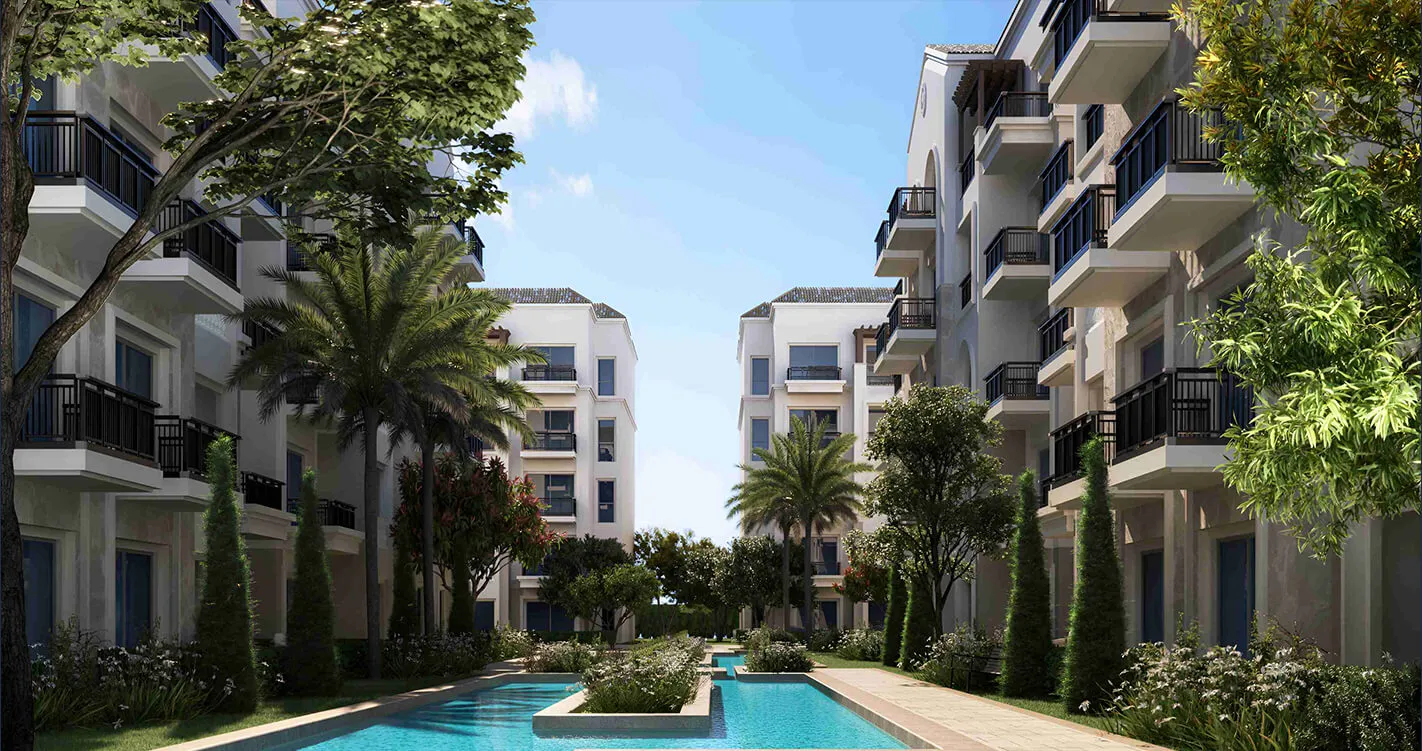
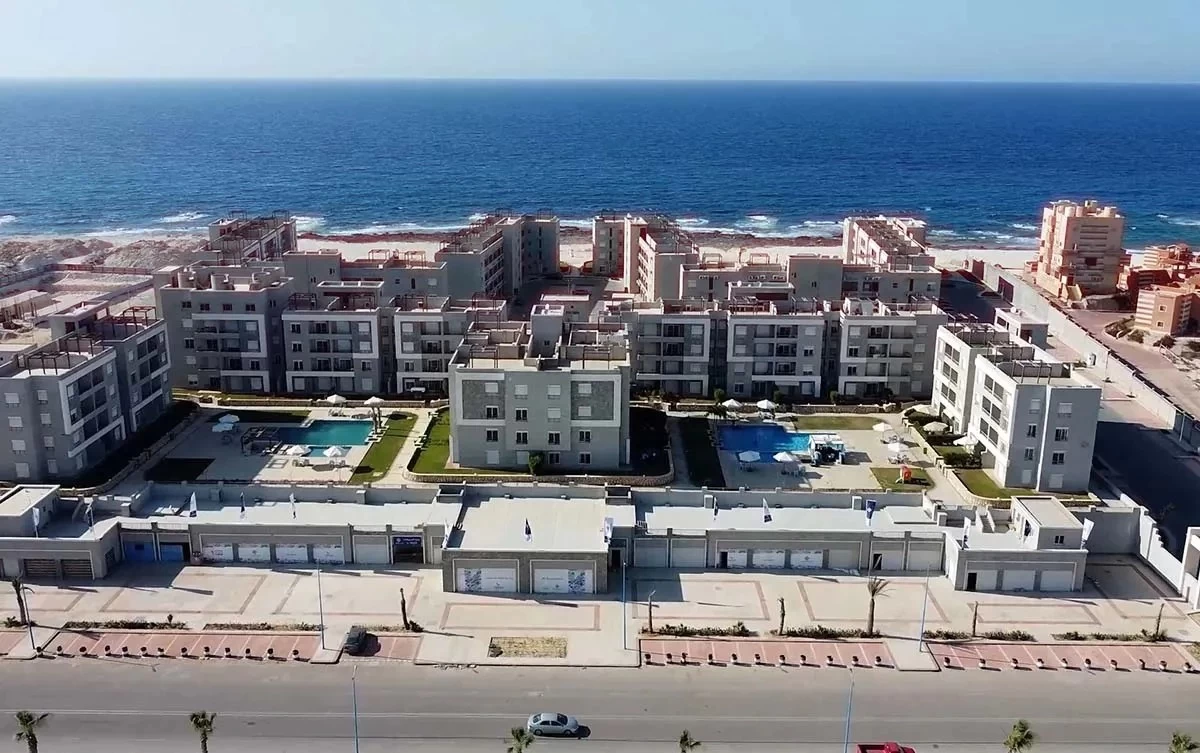
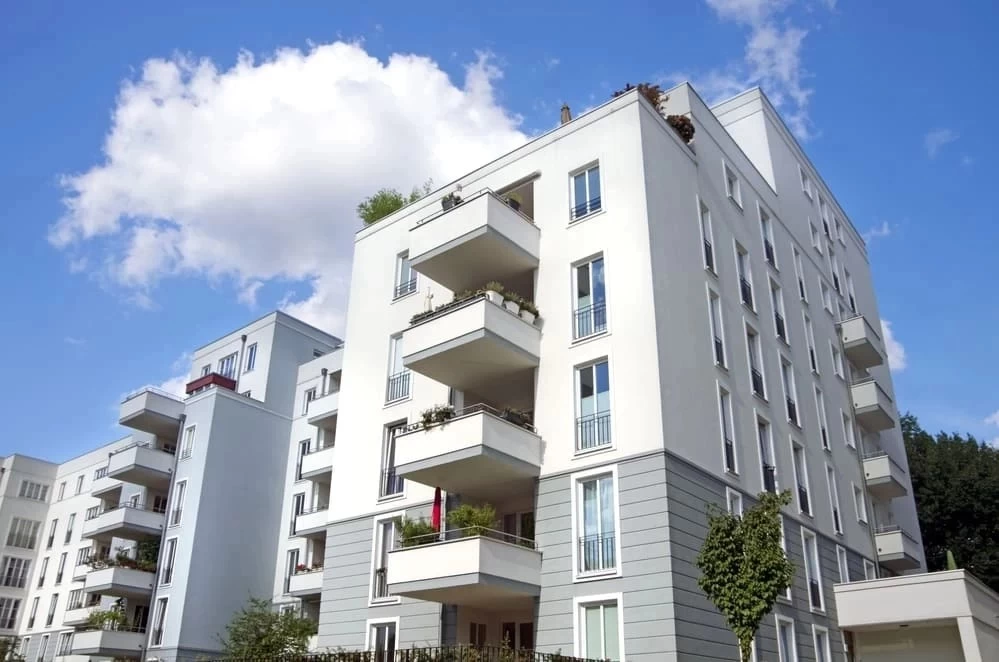
Apartments are among the most common and widespread types of residential units. They are the first option many people consider when looking for suitable housing due to their flexibility and variety, which meet the needs of different groups. One of the key advantages of apartments is the wide range of available sizes. Small families can choose limited-space apartments, while larger families can find more spacious options that match their size and needs.
Apartments also vary in the number of rooms depending on each family's requirements and financial capacity. Some apartments have one bedroom, while others have two or more. Ground floor apartments do not differ much from upper-floor ones in terms of layout or room numbers, but what sets them apart is that they often include private gardens, making them attractive for families seeking outdoor space for sitting or playing.
Duplex Units
Duplex units are among the best available housing options. They consist of two connected residential units, either on two floors linked by an internal staircase or on a single floor separated by a shared wall. These types of units offer several features that make them ideal for specific groups.
One of the key advantages of duplexes is the spacious layout, making them perfect for large families needing privacy and comfortable living space. Compared to standalone villas, duplex units provide a villa-like lifestyle at a relatively lower cost.
Many duplexes also include a private garden, which enhances comfort and luxury, making them suitable for high-end living—especially in new urban communities. However, duplexes may not be suitable in all cases, as elderly residents may struggle with stairs between floors, making them less ideal for families with individuals who have mobility or health issues.
Triplex Units
Triplex units are considered among the most luxurious and elegant types of residential units. They are a well-known housing style in Egypt and resemble duplexes in many ways. However, the main difference is that a triplex consists of three connected floors instead of two. Triplex units are an ideal choice for large families, especially those that prefer spacious and highly private housing. The three separate floors offer a degree of independence for each family member, along with comfort and flexible space distribution.
Some triplex owners rent out one or more floors when not in use, turning the property into a profitable investment in addition to being a luxury home. Others choose to dedicate one of the floors to specific purposes like a home office, private gym, or family entertainment area.
Penthouse
Penthouses are among the most upscale types of residential units. They are usually located on the upper floors of tall buildings, though in some cases, they may also be found on lower floors in specially designed structures. These units combine the benefits of traditional apartments, such as good location and security, with the advantages of standalone homes, like large spaces and unique design. One of the main attractions of penthouses is their elevated location, offering residents a sense of peace and quiet away from the hustle of urban life, even while being in the city center.
Architecturally, the term "penthouse" refers to a structure built on the roof of a building that is set back from the main walls. These units do not cover the entire rooftop area and are sometimes used to house mechanical equipment like elevator systems.
Inside, penthouses typically feature luxurious kitchens with high-end appliances, often made of stainless steel.
Studio
The fifth type of unit is the studio, which is characterized by its open-plan design, consisting of a single room used for sleeping, living, and cooking. The bathroom is the only separate area within the unit. Studios do not have multiple rooms or partitions like traditional apartments, leaving the resident free to arrange furniture and spaces based on personal needs and preferences to create a comfortable environment.
Studios usually have smaller areas than one-bedroom apartments, with an average size of about 28 square meters, compared to around 35 square meters for one-bedroom units. However, some studios may come in larger sizes. Buildings designed specifically for studios often follow certain standards based on small space layouts.
Studios are similar to apartments in nature and price per square meter, but what sets them apart is the lower total cost due to the smaller size. This also reduces the amount of taxes paid compared to larger apartments. It’s worth noting that while the term "studio" is widely used in the real estate market, it is not officially recognized as a legal term in contracts or courts, where it is typically listed under the category of small apartments
FAQs on the Difference Between Types of Residential Units
What is the clear difference between types of residential units?
- Apartments: A cost-effective option with easy access to various services and amenities but may lack the privacy and green space some desire.
- Villas: Offer high levels of privacy and large areas for living and activities but require a higher budget, making them less accessible to everyone.
- Townhouses: A balanced option providing reasonable privacy and cost but may not offer the spaciousness and outdoor areas found in villas.Which type of residential unit is best for large families?
Large families often choose villas or duplexes for their spacious layouts, privacy, and the ability to distribute rooms across multiple floors.
Is a twin house considered a villa?
A twin house is similar to a villa but consists of two connected units separated by a shared wall. Each has its own entrance and private garden, combining the features of villas and townhouses.
What is the best company for residential unit consultation?
If you’re looking for consultation on types of residential units, you can reach out to Darna, a leading company in property development, including full residential unit projects.