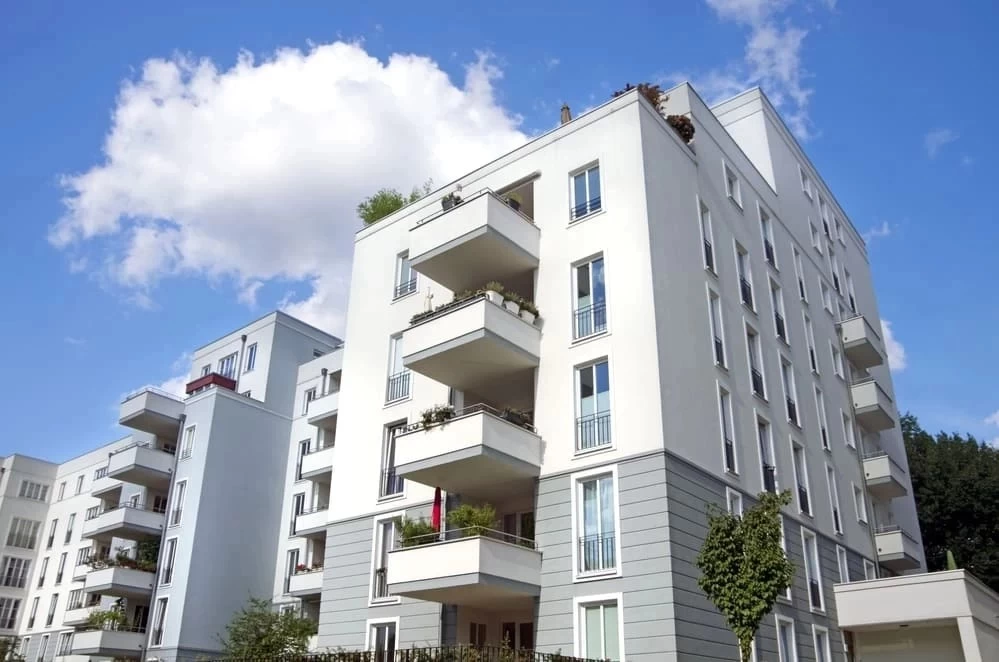
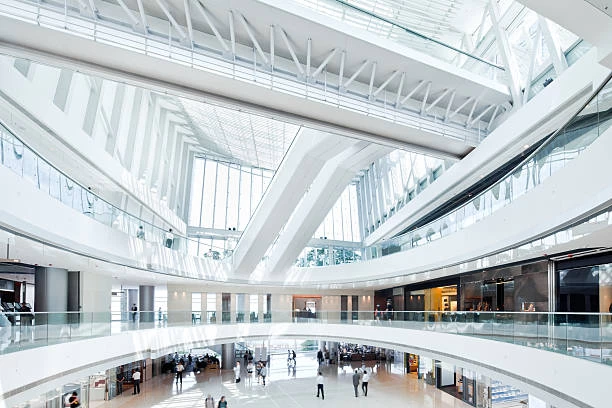
Real estate investment is one of the most stable and widespread forms of investment in Egypt in recent years, especially with the expansion in developing commercial centers and integrated malls that combine commercial stores and administrative units under one roof. In this context, major companies like Darna have emerged, contributing to the development of several such projects in strategic locations.
These efforts have made commercial and administrative real estate investment a valuable opportunity for those seeking financial security and stable returns. In this article, we will explore the difference between commercial stores and administrative units in malls, the advantages of each, and the importance of making the right choice based on the nature of the business to maximize the property’s potential.
What Are Commercial Stores?
Commercial stores are among the most important types of real estate units used for direct sales to the public. They include a variety of activities such as clothing shops, electronics stores, household goods, restaurants, and cafés. These units are usually located on ground floors or in areas with easy access, making them more attractive to visitors.
The design of these stores focuses on maximizing visibility, with prominent storefronts and display areas that support advertising and marketing goals while continually drawing customer attention. This increases the chances of commercial success and makes commercial stores an ideal option for anyone looking for a profitable investment within a vibrant mall.
What Are Administrative Units?
Administrative units are a type of real estate unit used as offices or company headquarters, clinics, or service centers. These units do not rely on direct sales to customers but rather focus on internal activities such as engineering consultations, accounting services, business management, and startup support. Administrative units are often located on upper floors of malls or in quieter areas of a project, ensuring a professional and calm work environment that boosts productivity and offers the necessary privacy.
The Difference Between Commercial Stores and Administrative Units in Malls
Commercial stores require special licenses in line with the type of business being practiced. They also demand specific setup standards, including distinctive lighting systems, clear storefronts, and strong electrical wiring to suit the equipment used.
On the other hand, administrative units generally have simpler requirements. They usually need suitable internal partitioning and a calm décor consistent with office or service use.
The target audience also differs between commercial stores and administrative units. Commercial stores cater to end consumers seeking direct products or services, while administrative units address a different segment such as business owners, entrepreneurs, and those in need of professional services like law, accounting, or consulting.
Within this framework, Darna offers a variety of units in its real estate projects, including commercial stores and administrative units in premium locations, giving investors the opportunity to choose based on their desired business activity and expected return—whether through leasing or direct use.
Why It’s Important to Differentiate Between Commercial Stores and Administrative Units When Investing
The success of any real estate project depends on understanding the difference between commercial stores and administrative units in malls. Each type differs in terms of usage, setup, and target audience, and recognizing these distinctions is a crucial step for any investor entering the world of commercial and administrative real estate with a strategic approach.
Choosing the right unit type—whether an administrative office or commercial store—helps maximize the property’s value. This becomes especially clear in major companies’ projects like Darna, which offer a range of units to meet various needs, giving investors the flexibility to choose based on their activity type and the suitable location. Here are the top benefits of commercial and administrative real estate investment to help you decide what suits you best.
Advantages of Commercial and Administrative Real Estate Investment
Commercial and administrative real estate investment is one of the most promising investment types currently gaining traction in the Egyptian market, offering several advantages such as:
Relative price stability with consistent demand for units, whether commercial stores or administrative units, inside malls and integrated centers
A stable monthly income through leasing, especially when the unit is located in a vibrant mall, attracting those seeking suitable locations for their businesses and increasing occupancy rates and consistent revenue
Higher resale value compared to residential properties, particularly if the unit is part of a well-known project like those by Darna, which are known for high-quality finishing, strategic locations, and comprehensive services that boost their appeal in the market
Greater operational flexibility—units can be leased or operated directly, and in some cases, the business activity can be changed if licensing permits, offering wider management freedom for maximizing returns
Important Tips Before Buying an Administrative Unit for Investment
Ensure the entire project is fully licensed for administrative use to avoid legal issues when operating an office or company
Examine the unit's location within the mall—check if it overlooks a main frontage or sits in a quiet area suitable for your professional activity
Verify the actual unit space and ensure it fits your intended use, whether for a clinic, office, or company
Confirm that the project has strong infrastructure such as high-speed internet, security systems, elevators, and parking spaces
Ask about the type of finishing provided by the developer—will you receive the unit fully finished or semi-finished so you can accurately budget for interior setup
Review average rental prices in the area to assess the investment return if you plan to lease instead of using the unit yourself
Important Tips Before Buying a Commercial Store Inside a Mall
Ensure your planned business activity is permitted in the project and covered by official licensing
Carefully choose the store's location inside the mall—preferably on the ground floor or near main entrances to allow easy customer access
Inspect the store's frontage and ensure it allows for product displays or clear advertising signage to attract visitors
Make sure the store has strong electrical connections, ventilation, and lighting systems that suit your commercial activity
Select a unique or underrepresented commercial activity within the mall or present an innovative idea to meet market needs and increase your project’s success chances
Ask about the mall’s footfall and current occupancy rates so you can estimate visitor volume and the expected operational return
The Importance of Choosing the Right Location Inside Any Commercial Mall
Choosing the right location within the mall is a key factor in the success of any real estate investment, whether a commercial store or administrative unit. Units close to main entrances or overlooking main corridors have higher visibility and thus better chances of attracting customers or tenants. In contrast, isolated or hidden units may struggle to operate successfully. Therefore, it is crucial to carefully review the mall’s layout, daily traffic flow, and surrounding activities before making a purchase decision.
In conclusion, the difference between commercial stores and administrative units in malls is not just about design or location—it’s a difference in function, usage, and target audience. Each type has its own advantages suited to different investor needs.
Understanding these distinctions and selecting the appropriate unit type is one of the most essential steps toward successful commercial and administrative real estate investment, especially with trustworthy projects like those offered by Darna, which provide ready-to-operate units and excellent business opportunities in strategic locations.
Frequently Asked Questions
Do prices per square meter vary between floors in the same mall?
Yes, they usually do. Units on the ground floor or with a clear frontage are typically more expensive due to higher footfall compared to upper floors.Is investing in a small-sized unit worthwhile?
Absolutely. Small units suit many startup businesses and are in high demand by small business owners, making them a smart investment with fast returns.Can I purchase an administrative unit suitable for clinics?
Yes. Companies like Darna offer licensed administrative units in malls that include suitable facilities for clinics, such as elevators, waiting areas, and medical services.Can I change the unit’s activity after purchase?
It’s possible, provided the new activity complies with the mall’s licenses and internal management conditions. That’s why it’s best to verify these details before signing the contract.